Best Rugs for Stairs 2026: 5 Picks for Every Budget
Compare five stair runners for grip, durability and style — from budget washable designs to made-to-measure wool, sisal and flatweave picks.
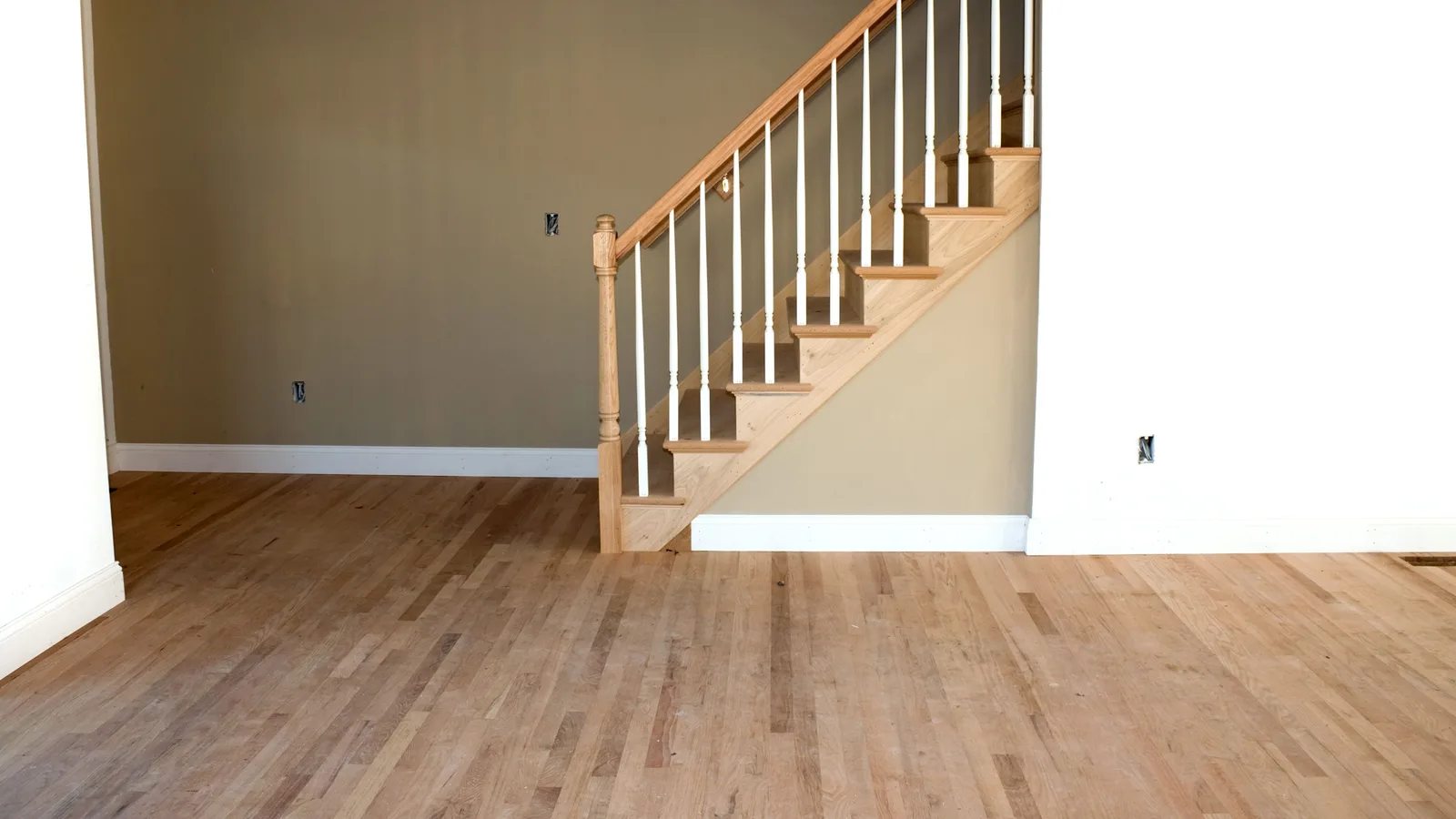
The quick answer: which stair rug suits you?
A stair runner is the practical choice for most homes. It covers the middle of the tread, leaves the edges visible and is much easier to replace than fully fitted carpet. If you want the widest choice of patterns and a made-to-measure fit, start with runrug. If you are watching the budget, Dunelm is the simplest route. For a premium British wool flatweave, Roger Oates is the benchmark; Kersaint Cobb is the natural-fibre pick; and Tapi is best if you want the runner to match carpet elsewhere in the house.
The 5 best rugs for stairs in 2026
These five picks cover the main ways to buy a stair rug in the UK: a specialist made-to-measure service, the high street, British flatweave, natural fibre and a fitted carpet retailer. None of them is the right answer for every staircase, so match the pick to your budget and how much fitting help you want.
runrug Stair Runner
4.7/5
Best overall
runrug is a UK stair-runner specialist, and it earns the top spot for the range of widths, lengths and patterns it offers. You can order a runner cut to your own measurements, which matters on stairs because an off-the-shelf length rarely lands neatly at both the top and bottom. The range covers everything from plain wool-look designs to bold stripes and traditional patterns. It is not the cheapest route, and you need to measure carefully at the top, middle and bottom of the stairs before ordering.
Why we rate it
- Made-to-measure widths and lengths
- Very wide choice of patterns and colours
- UK-based specialist with a stair-runner focus
What to weigh up
- Costs more than off-the-shelf runners
- Lead time depends on the design
- Measurement errors are costly
Dunelm Stair Runner
4.3/5
Best budget
Dunelm is the high-street option that makes a stair refresh affordable. It sells off-the-shelf stair runners and cut-to-length carpet runners, including washable designs that are useful in busy homes. The range is smaller than a specialist's, so you may not find an exact colour match, and widths are limited. But for a quick, low-risk update — or a rental where you do not want to spend much — it is hard to beat. Check stock in store and online, because availability varies by design.
Why we rate it
- Budget-friendly high-street pricing
- Washable options for busy homes
- Easy to buy and replace
What to weigh up
- Limited widths and lengths
- Smaller design range
- Stock varies by store
Roger Oates Flatweave Stair Runner
4.6/5
Best premium wool
Roger Oates is a British flatweave specialist and the pick for anyone who wants a properly made wool runner. Its flatweave runners are woven in the UK and sold through stockists, with a colour range built around subtle stripes and heritage tones. Flatweave is a good choice for stairs because it is relatively low-profile and sits neatly under stair rods, and wool is naturally hard-wearing. The trade-off is price and process: you will usually order through a stockist, and the lead time is longer than an off-the-shelf purchase.
Why we rate it
- British-made flatweave wool
- Low-profile and neat under rods
- Timeless colour range
What to weigh up
- Premium pricing
- Ordered through stockists
- Longer lead times
Kersaint Cobb Sisal Stair Runner
4.2/5
Best natural fibre
Kersaint Cobb's sisal and natural-fibre runners bring texture and a warm neutral look to a hallway. Sisal is hard-wearing and hides everyday marks well, which makes it a sensible choice for stairs in adult households. It is not the softest underfoot, and it is less forgiving of pet accidents or spilled drinks, so think twice in a busy family home. Natural-fibre runners are usually fitted by a professional, because the material can fray if cut badly.
Why we rate it
- Hard-wearing natural fibre
- Textured, warm neutral look
- Good for adult households
What to weigh up
- Rough underfoot
- Less forgiving of spills and pet accidents
- Best professionally fitted
Tapi Made-to-Measure Stair Runner
4.4/5
Best for matching your carpet
Tapi's made-to-measure stair runners are the pick if you want the runner to match carpet in a bedroom or living room. You choose from the retailer's carpet ranges, and the runner is measured and fitted to your staircase, which takes the guesswork out of sizing. The result is a coordinated look that is hard to achieve with an off-the-shelf runner. You are tied to Tapi's ranges and fitting appointments, and the final cost depends on the carpet and stair size, so get a quote before committing.
Why we rate it
- Matches carpet in other rooms
- Measured and fitted for you
- Wide carpet range
What to weigh up
- Tied to Tapi's ranges
- Fitting appointments required
- Cost depends on the quote
How the picks compare
| Pick | Best for | Material | Fitting |
|---|---|---|---|
| runrug Stair Runner | Best overall | Wool-look, synthetic and patterned options | Made to measure; fit yourself or use a fitter |
| Dunelm Stair Runner | Best budget | Synthetic and washable mixes | Off-the-shelf or cut to length; DIY-friendly |
| Roger Oates Flatweave Stair Runner | Best premium wool | Flatweave wool | Through stockists; professional fitting advised |
| Kersaint Cobb Sisal Stair Runner | Best natural fibre | Sisal and natural fibres | Professional fitting recommended |
| Tapi Made-to-Measure Stair Runner | Best for matching | Carpet ranges, including wool and synthetic | Measured and fitted by Tapi |
The biggest practical difference is how the runner is sized. Off-the-shelf runners are quick and cheap but rarely fit a staircase exactly. Made-to-measure runners cost more and take longer, but they sit properly at the top and bottom of the flight. If your stairs are an awkward width, or you want a specific pattern repeat, the specialist and fitted routes are worth the extra.
How to choose a rug for stairs
Start with safety and fitting, then think about looks. A stair runner needs a backing that grips, a pile that is not so deep that it catches underfoot, and enough width to cover the middle of the tread without covering the whole step.
- Measure at the top, middle and bottom. Stair widths often vary, especially in older homes.
- Decide between a runner and individual treads. A continuous runner is usually more secure and looks more deliberate; treads are easier to fit yourself but can shift.
- Check the backing. A rubber or latex backing helps grip; a woven backing usually needs underlay and proper fixing.
- Match the pile to the rods. Deep piles can bunch under stair rods; flatweave and low-pile runners sit more neatly.
- Think about the household. Wool and tight-loop synthetics wear well; sisal is tough but less forgiving of spills; washable runners suit busy family homes.
- Grip and safety
- The biggest factor. Underlay and correct fixing matter more than the rug itself.
- 4.5/5
- Durability
- Wool and tight-loop synthetics last best on busy stairs.
- 4.0/5
- Ease of fitting
- Made-to-measure takes more measuring; off-the-shelf is quicker.
- 3.5/5
- Style range
- Specialists and high-street ranges cover classic to modern looks.
- 4.5/5
- Value for money
- Budget runners win on price; wool and sisal cost more but last longer.
- 4.0/5
Fitting a stair runner: what to know
Most stair runners are fixed with stair rods, adhesive or staples. Rods are decorative and let you lift the runner for cleaning; adhesive is neater but more permanent. Whichever method you use, the runner must be taut and flat. If you are laying over existing carpet, the surface must be sound and even, and the runner should be fixed through to the tread rather than relying on the old carpet alone.
If you are unsure, use a fitter. Stairs are one of the few places in the home where a poor DIY job is genuinely dangerous.
Why a stair runner works
- Adds grip and softens noise
- Protects the middle of the tread
- Easier and cheaper to replace than full carpet
- Can update a hallway without ripping out carpet
What to watch for
- Needs accurate measuring
- Poor fitting creates trip hazards
- Natural fibres stain more easily
- Edges can fray if cut badly
- Measure the width
- Check at the top, middle and bottom of the flight, between the balusters.
- Measure the drop
- Run the tape from the top tread down to the bottom, following the stair profile.
- Check pile height
- Low-pile and flatweave runners sit more neatly under stair rods.
- Check the backing
- Rubber or latex backing grips better; woven backings usually need underlay.
Our verdict
Frequently asked questions
What is the difference between a stair runner and a rug for stairs?
Can I use a normal rug on my stairs?
How do I stop a stair runner from slipping?
Are stair runners suitable for homes with pets?
Do stair runners need to be professionally fitted?
Related articles

Best Colour for Sitting Room 2026: 5 Picks for Every Light
Five sitting room colours that actually work — warm greige, soft green-grey and deep blue — with advice on light, finish and testing before you buy.
Best Kitchen Bins 2026: 5 Picks for Every Kitchen Size
Our pick of the best kitchen bins for 2026, from a 45-litre simplehuman step can to a compacting 30-litre Titan, plus what to check before you buy.

Best Mattress Brands 2026: 5 Picks for Every Budget
Comparing UK mattress brands? We explain what Simba, Emma, Otty, Silentnight and TEMPUR each do best, plus trials, guarantees and how to choose.

Best mattress for back pain 2026: 5 Picks for Support
Compare five mattresses for back pain, from medium-firm hybrids to pocket-sprung and all-foam designs, with pros, cons and practical buying advice.
Best Mattress Protectors 2026: 5 Picks for Every Bed
Waterproof, breathable and quiet: five mattress protectors that actually fit deep mattresses, from budget fitted sheets to full allergy encasements.

Best Outdoor Sofas 2026: 5 Picks for Every Budget
Looking for the best outdoor sofa? Our 2026 guide compares five garden sofas, from budget rattan to premium corner sets, with buying advice.

Best Pillows for Side Sleepers 2026: 5 Picks for Neck Pain
Five pillows that genuinely suit side sleepers, compared: adjustable hybrids, firm memory foam, a buckwheat option and a budget IKEA pick.

Best Air Mattress 2026: 5 Picks for Guests and Camping
Five well-rated air mattresses for spare-room guests and tent trips, compared on pump type, firmness, height and how small they pack down.

Best King Size Mattresses 2026: 5 Picks for UK Sleepers
The best king size mattresses for 2026: five picks for hybrids, all-foam and budget buyers, compared side by side, plus sizing and firmness advice.

Best Mattress for Side Sleepers 2026: 5 Picks for Better Sleep
Our pick of the best mattresses for side sleepers, from all-foam to hybrid, plus how to choose a firmness that supports shoulders and hips.
Best Memory Foam Mattress 2026: 5 Picks for Every Sleeper
Five memory foam mattresses worth shortlisting for UK bedrooms, from budget all-foam buys to premium contouring models — plus what to check first.

Best Sofa Beds 2026: 5 Picks for Every Room and Budget
Our pick of the best sofa beds for 2026, from corner sofa beds with storage to budget folding beds, with advice on mattresses, sizing and small rooms.