Best Mattress for Side Sleepers 2026: 5 Picks for Better Sleep
Our pick of the best mattresses for side sleepers, from all-foam to hybrid, plus how to choose a firmness that supports shoulders and hips.

The quick answer: which mattress suits which side sleeper
Side sleepers carry most of their weight through the shoulder and the hip, which is why a mattress that feels fine on your back can leave you with a numb arm by 3am. What you want is a surface that lets the shoulder and hip sink in just enough to keep the spine straight, while the rest of the mattress stays supportive enough that your middle doesn't drop.
In practice that points to a medium-firm mattress for most adults, with a softer top layer. Our five picks cover the main builds — all-foam, hybrid and temperature-sensitive foam. The short version:
- Emma Original — the safest all-round choice for most side sleepers.
- Simba Hybrid Original — best if you want a bit of spring under the foam.
- Otty Original Hybrid — best if you switch between side, back and front during the night.
- Nectar Premier — best for a deep, contouring memory-foam feel.
- TEMPUR Original — best for shoulder and hip pressure relief.
| Mattress | Build | Suits | Why it's on the list | Trade-off |
|---|---|---|---|---|
| Emma Original | All-foam with memory and support layers | Most side sleepers and couples | Cushions the shoulder and hip without a deep dip | Can sleep warm; softer edges |
| Simba Hybrid Original | Foam top over pocket springs | Side sleepers who want some bounce | Easier to turn over on than an all-foam bed | Firmer feel; a little more movement transfer |
| Otty Original Hybrid | Memory foam over pocket springs | Combination sleepers | Responsive surface that resets when you move | Lighter sleepers may find it firm |
| Nectar Premier | All-foam memory build | Side sleepers who like a foam hug | Deep contouring at the shoulder and hip | Slow to recover; runs warm |
| TEMPUR Original | Dense TEMPUR foam | Shoulder and hip pressure pain | Spreads weight rather than pushing back | Firm at first; heavy to move |
The 5 best mattresses for side sleepers
Each of these is a current model you can buy in the UK, chosen for how it treats the shoulder and hip rather than for novelty.
Emma Original Mattress
Best overall for side sleepers
Emma's all-foam Original is the mattress most UK side sleepers end up comparing everything else to. The upper foam layers give at the shoulder and hip, so you sink in enough to keep the spine level without feeling like you're sleeping in a dip. The medium-firm feel holds up well for average and heavier adults, and because there are no springs, movement stays quiet if you share a bed. It's the straightforward choice if you want support without a bouncy, hotel-style feel.
What we like
- Cushions the shoulder and hip without a deep sinkhole
- Quiet when one person turns over
- Works on most divan and slatted bases
- Simple feel that suits couples with different preferences
What to weigh up
- Foam retains heat, so hot sleepers may notice it in summer
- Edges are softer than a sprung mattress, so sitting on the side is less supportive
- Not the one for you if you like a bouncy surface
Simba Hybrid Original Mattress
Best hybrid
The Hybrid Original is the pick if you want foam comfort with a bit of spring underneath. A foam top softens the pressure points side sleepers feel first, while the pocket-sprung core stops the mattress feeling dead and makes it easier to change position during the night. It's a medium-firm bed that suits side sleepers who move around, or who share with someone who sleeps on their back. The springs also give the edges a little more structure than an all-foam mattress.
What we like
- Springy core makes turning over easier
- Foam top relieves shoulder pressure
- Good middle ground for couples with different sleep positions
- Feels less enclosed than a solid foam block
What to weigh up
- Firmer than a pure memory-foam bed
- Very light sleepers may want more sink at the shoulder
- Springs transmit a little more movement than all-foam
Otty Original Hybrid Mattress
Best for combination sleepers
Otty's Original Hybrid is the one to look at if you start the night on your side and finish on your back or front. The memory-foam top is firm enough to stop your hips dropping out of line, and the pocket springs underneath give it a responsive feel, so you're not stuck in the groove you made. It's a medium-firm mattress that suits side sleepers of average build particularly well, and a sensible option for a spare room or a first proper mattress.
What we like
- Responsive feel makes changing position easy
- Memory-foam top cushions hips and shoulders
- Works for side, back and front sleepers
- Copes with a range of body types
What to weigh up
- Lighter sleepers may find it firm
- Less of a deep, hugging sink than an all-foam bed
Nectar Premier Mattress
Best memory-foam feel
If you want that classic memory-foam feeling — the slow, contouring sink that side sleepers with aching shoulders often like — the Nectar Premier is the closest of these five. The foam layers mould around the shoulder and hip, and the mattress is firm enough underneath to keep your spine from curving. It's a good match for people who sleep mostly on one side and want the bed to feel like it's holding them, though it won't suit anyone who dislikes a foam hug.
What we like
- Deep contouring around pressure points
- Stable, quiet surface for couples
- Medium-firm base keeps the spine supported
What to weigh up
- Can feel warm overnight
- Slow recovery means shifting position takes a moment
- The foam hug isn't for everyone
TEMPUR Original Mattress
Best for pressure relief
TEMPUR's Original is the pressure-relief option. The TEMPUR foam is dense and slow to respond, so it spreads your weight across the mattress instead of pushing back at one spot — exactly what a side sleeper with shoulder or hip pain is looking for. It has a medium feel and holds its shape well, but it is heavy, it runs warmer than a sprung bed, and the foam feels firm for the first few minutes after you lie down.
What we like
- Excellent pressure relief at the shoulder and hip
- Dense foam that keeps its shape
- Medium feel suits a wide range of side sleepers
What to weigh up
- Heavy and awkward to move
- Foam sleeps warm
- Conforms slowly, so it feels firm at first
How to choose a mattress for side sleeping
Firmness is the first decision, but it isn't the whole story. Work through these in order:
- Comfort at the shoulder. Lie on your side for ten minutes. If your shoulder is pushed up towards your ear, or your arm goes numb, the top layer is too firm for you.
- Hip alignment. If your hips sink below your shoulders, the mattress is too soft and you'll likely wake with a dull lower-back ache.
- Your weight. Lighter sleepers usually need a softer surface to get any give at the shoulder; heavier sleepers need a firmer core so the hips don't bottom out.
- Your partner. If one of you is a light sleeper, favour foam or a hybrid with good motion isolation over an open sprung mattress.
- Temperature. Foam sleeps warmer. If you overheat, look for a hybrid with a breathable cover or add a wool topper.
- The base. Check what the manufacturer recommends. Slatted bases need close-set slats in good condition; solid divan bases are the most forgiving.
Foam, hybrid or sprung: which build suits you?
All-foam mattresses such as the Emma Original and Nectar Premier give the most contouring. They're quiet, they isolate movement well and they're usually the most direct route to pressure relief. The trade-off is heat and a slightly stuck feeling when you turn over.
Hybrids — the Simba and Otty here — put a foam comfort layer over pocket springs. The springs make the bed easier to move on, give the edges more structure and add a little bounce, which suits people who change position or sleep with a partner who prefers a firmer bed. They feel less enveloping than pure foam.
Traditional pocket-sprung mattresses can work for side sleepers if the top layer is generous, but a firm sprung mattress with a thin cover is the classic cause of a numb shoulder.
Verdict: the best mattress for side sleepers
Still torn between two? Match the mattress to the problem you wake up with. Numb arm or sore shoulder points to more cushioning at the top — the Nectar Premier or TEMPUR Original. Aching lower back points to more support under the hips — the Otty Original Hybrid or Simba Hybrid Original.
Side-sleeper mattress questions
What firmness should a side sleeper look for?
Can a mattress topper make a firm mattress work for side sleeping?
How often should you replace a mattress?
Do side sleepers really need a pillow between the knees?
Will a hybrid mattress work on a slatted bed base?
Related articles
Best Colour for Sitting Room 2026: 5 Picks for Every Light
Five sitting room colours that actually work — warm greige, soft green-grey and deep blue — with advice on light, finish and testing before you buy.
Best Kitchen Bins 2026: 5 Picks for Every Kitchen Size
Our pick of the best kitchen bins for 2026, from a 45-litre simplehuman step can to a compacting 30-litre Titan, plus what to check before you buy.
Best Mattress Brands 2026: 5 Picks for Every Budget
Comparing UK mattress brands? We explain what Simba, Emma, Otty, Silentnight and TEMPUR each do best, plus trials, guarantees and how to choose.

Best mattress for back pain 2026: 5 Picks for Support
Compare five mattresses for back pain, from medium-firm hybrids to pocket-sprung and all-foam designs, with pros, cons and practical buying advice.
Best Mattress Protectors 2026: 5 Picks for Every Bed
Waterproof, breathable and quiet: five mattress protectors that actually fit deep mattresses, from budget fitted sheets to full allergy encasements.

Best Outdoor Sofas 2026: 5 Picks for Every Budget
Looking for the best outdoor sofa? Our 2026 guide compares five garden sofas, from budget rattan to premium corner sets, with buying advice.

Best Pillows for Side Sleepers 2026: 5 Picks for Neck Pain
Five pillows that genuinely suit side sleepers, compared: adjustable hybrids, firm memory foam, a buckwheat option and a budget IKEA pick.

Best Air Mattress 2026: 5 Picks for Guests and Camping
Five well-rated air mattresses for spare-room guests and tent trips, compared on pump type, firmness, height and how small they pack down.
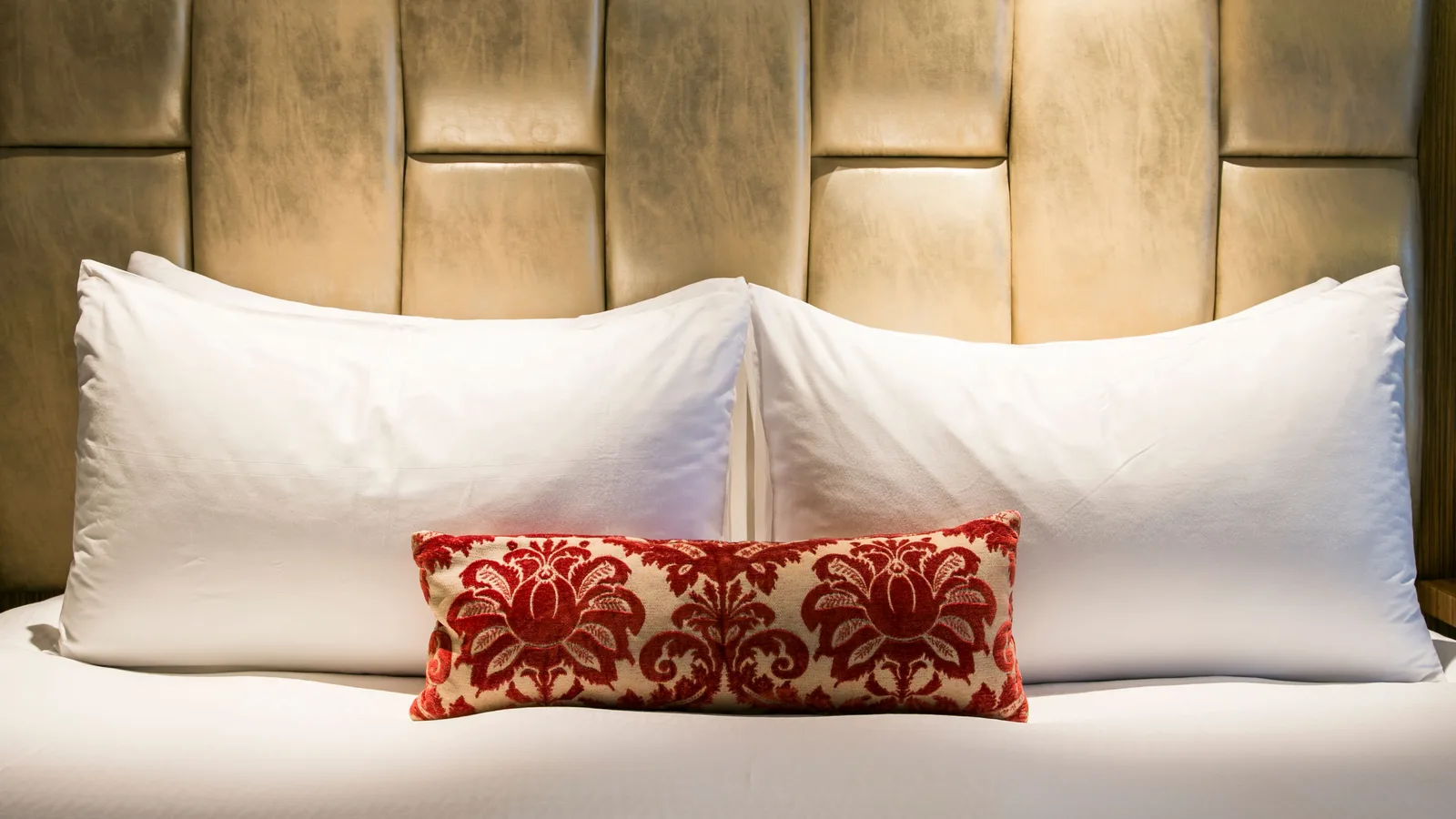
Best King Size Mattresses 2026: 5 Picks for UK Sleepers
The best king size mattresses for 2026: five picks for hybrids, all-foam and budget buyers, compared side by side, plus sizing and firmness advice.
Best Memory Foam Mattress 2026: 5 Picks for Every Sleeper
Five memory foam mattresses worth shortlisting for UK bedrooms, from budget all-foam buys to premium contouring models — plus what to check first.
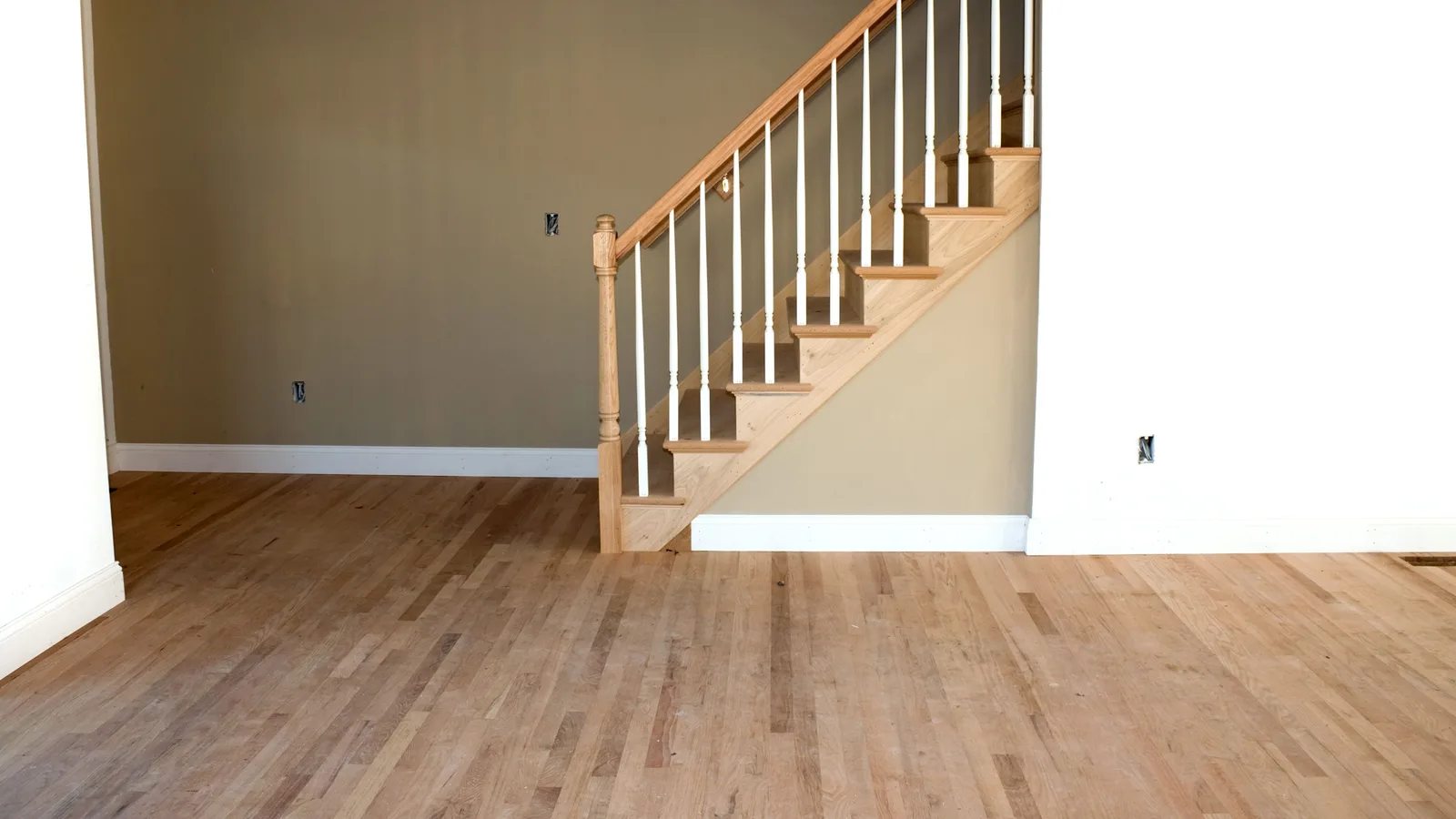
Best Rugs for Stairs 2026: 5 Picks for Every Budget
Compare five stair runners for grip, durability and style — from budget washable designs to made-to-measure wool, sisal and flatweave picks.

Best Sofa Beds 2026: 5 Picks for Every Room and Budget
Our pick of the best sofa beds for 2026, from corner sofa beds with storage to budget folding beds, with advice on mattresses, sizing and small rooms.